 Business License

How to choose a suitable fully automatic printing production line
In the industrial automation era, a fully automatic printing production line is a core asset for printing enterprises to improve efficiency, reduce costs and ensure stable quality. It achieves seamless connection from feeding to finished product collection, minimizing manual intervention. However, with various products and configurations on the market, choosing a suitable one requires comprehensive consideration of enterprise needs, technical parameters, cost benefits and long-term development. This article breaks down key selection steps and factors to help enterprises make informed decisions.
1. Clarify Your Core Needs: The Foundation of Rational Selection
The first critical step is to define your enterprise’s actual production needs, as fully automatic printing lines are not "one-size-fits-all". Key focuses include:
1.1 Define Product Types and Specifications
Different printing products have distinct requirements: packaging printing needs high-speed continuous production and stable positioning, while personalized printing requires flexible changeover for small-batch, multi-variety orders. Clarify printed material specifications (size, thickness, type), which directly determine the line’s feeding system, printing width and pressure adjustment. For example, sheet UV printing lines suit flat substrates, while flexo lines are better for corrugated paper.
1.2 Confirm Production Volume and Efficiency Requirements
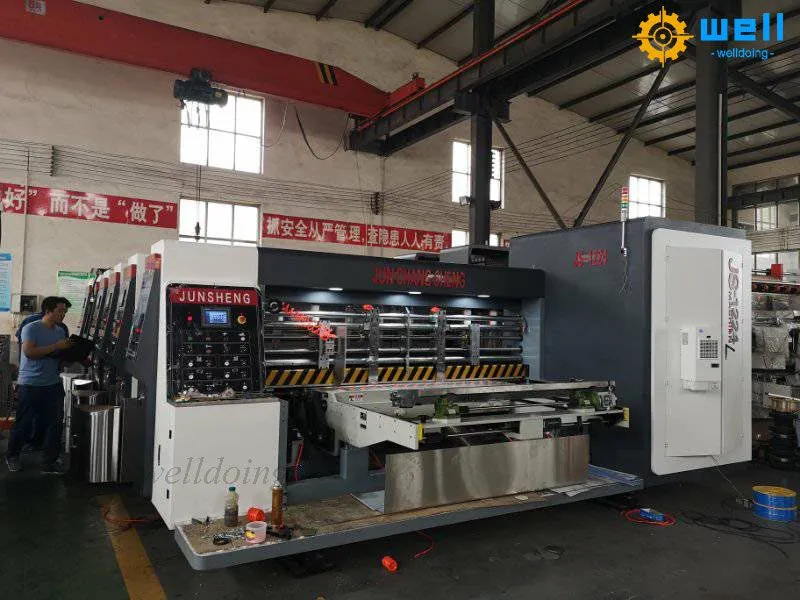
Production volume determines the line scale: large-volume orders (daily output over 10,000 pieces) need high-speed lines (≥60m/min) for 24-hour operation. Small-batch orders require fast changeover (≤1 hour) to avoid idleness. Note that actual efficiency depends on overall coordination, not just printing speed.
1.3 Clarify Quality Standards and Technical Requirements
Different industries have strict quality demands: food packaging needs non-toxic inks and high-precision overprinting (error ≤0.1mm), while printing focuses on color consistency and clarity. For intelligent management (online inspection, data tracing), choose lines with AI visual inspection and data management modules.
2. Focus on Core Technical Parameters: Ensure Stability and Practicability
Technical parameters determine performance, stability and adaptability. Focus on parameters matching your needs, including:
2.1 Printing Speed and Precision
Match speed to production volume: 30-60m/min balances efficiency and cost for most packaging enterprises. Overprinting precision is critical-industrial-grade lines require ≤0.15mm error, high-end packaging ≤0.1mm. Printing unit resolution (≥2400dpi) affects pattern and text clarity.
2.2 Automation Degree and Intelligent Configuration
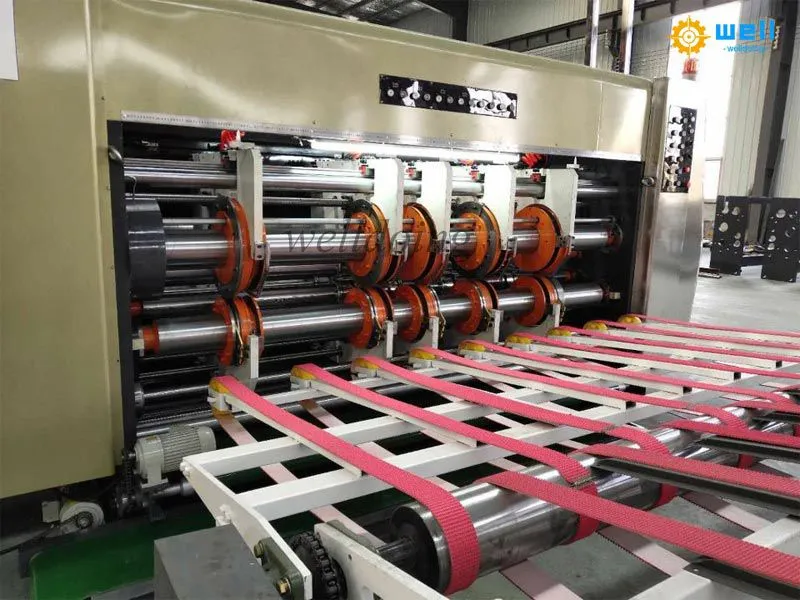
High automation lines realize full-process automatic operation, needing only 1-2 operators. Intelligent configurations (AI visual inspection with ≥98% accuracy, central control systems) improve efficiency and management, reducing manual costs and enabling real-time monitoring.
2.3 Compatibility and Flexibility
Compatibility (adapting to multiple materials/processes) expands business scope. Flexibility (changeover within 30-60 minutes) suits small-batch, multi-variety production, avoiding idleness for enterprises with mixed order structures.
2.4 Stability and Durability
A stable line has low failure rates (average interval ≥2000 hours) and complete fault handling mechanisms. Key components (printing roller, servo motor) should be high-quality for ≥5 years service life, with dust-proof, moisture-proof performance for workshop environments.
3. Evaluate Cost-Benefit Ratio: Balance Investment and Return
Investment in fully automatic lines requires comprehensive cost-benefit evaluation, including initial purchase and long-term operation costs.
3.1 Reasonably Control Initial Purchase Cost
Line prices range from $5,000 to over $50,000, based on brand, configuration and intelligence. Avoid blind pursuit of low prices (poor stability) or high configuration (unnecessary costs). Choose cost-effective lines matching needs, considering brand reputation and after-sales service.
3.2 Calculate Long-Term Operation and Maintenance Costs
Operation costs include consumables, energy, maintenance and labor. Calculate unit production cost and investment recovery period-reasonable lines usually recover investment in 2-3 years via efficiency and cost improvements.
4. Pay Attention to Brand and After-Sales Service: Ensure Long-Term Stable Operation
Brand and after-sales service are critical for long-term operation, making them indispensable in selection.
4.1 Choose a Reputable Brand
Reputable brands have mature technology, strict quality control and stable performance. Refer to market share, user evaluation and industry application cases to select brands suitable for your industry.
4.2 Evaluate After-Sales Service Level
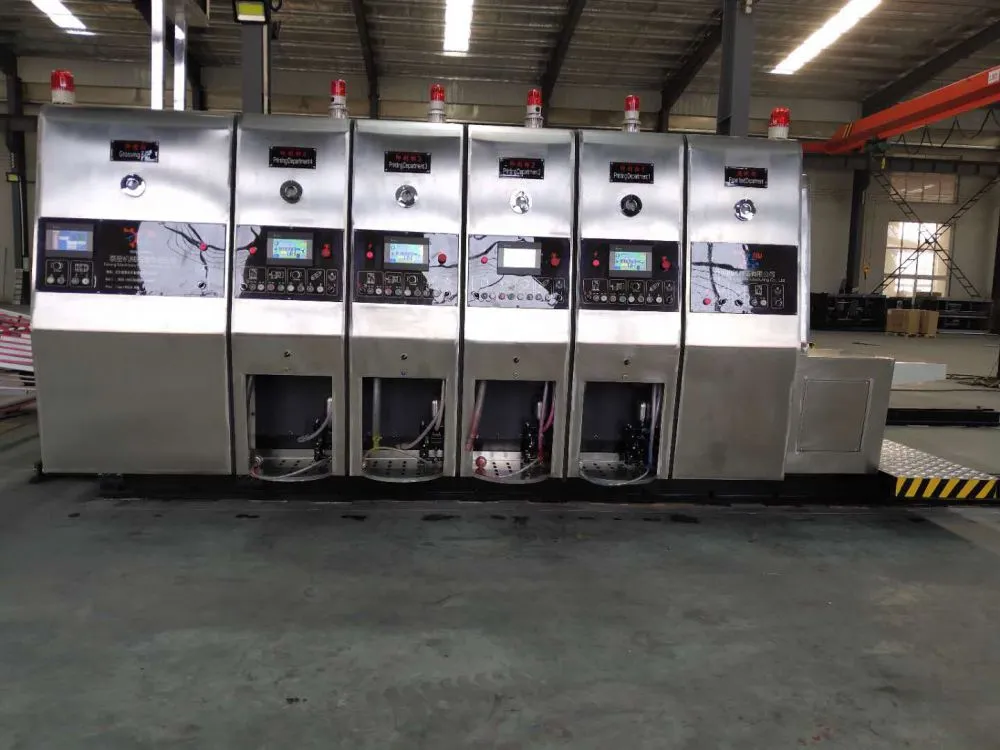
Good after-sales service includes installation, training, regular maintenance and timely repair (preferably ≤24-hour response). Confirm service scope and spare part supply to avoid production suspension.
5. Avoid Common Selection Pitfalls
Avoid these common misunderstandings to prevent inappropriate selection:
Blindly pursuing high speed/configuration: leads to equipment idleness and increased costs.
Neglecting compatibility/flexibility: fails to adapt to future business expansion.
Overlooking after-sales service: causes long downtime due to delayed maintenance.
Ignoring total ownership cost: results in higher-than-expected production costs.
Conclusion
Choosing a suitable fully automatic printing line is systematic, requiring enterprises to combine needs, focus on technical parameters, evaluate cost-benefit and pay attention to brand/after-sales. There is no "best" line, only the "most suitable" one. Rational selection maximizes line value, enhances competitiveness and achieves sustainable development.
Recently Posted
-
High-speed Printer Slotter Die Cutter with Stacker: Upgrade Corrugated Box Production
July 30, 2026In the fast-paced packaging industry, efficiency and precision determine core competitiveness. The high-speed printer slotter die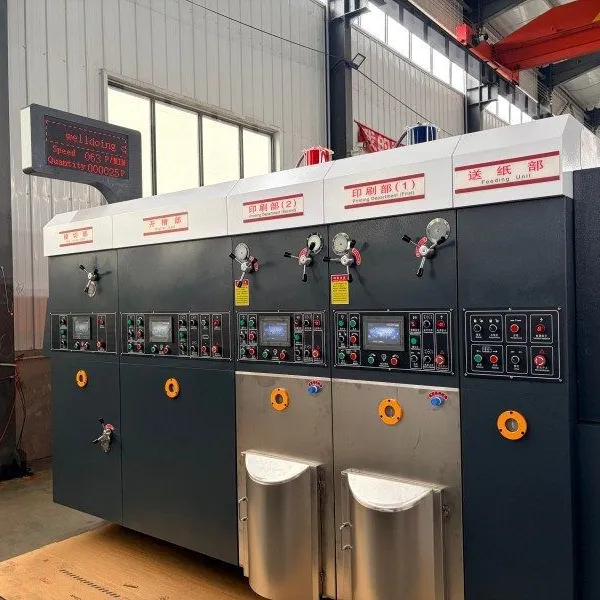 Read More
 -
Boost Packaging Efficiency: All-in-One Paper Corner Protector Production Line
July 29, 2026In modern logistics, packaging, and manufacturing industries, product edge protection is indispensable to reduce transit damage an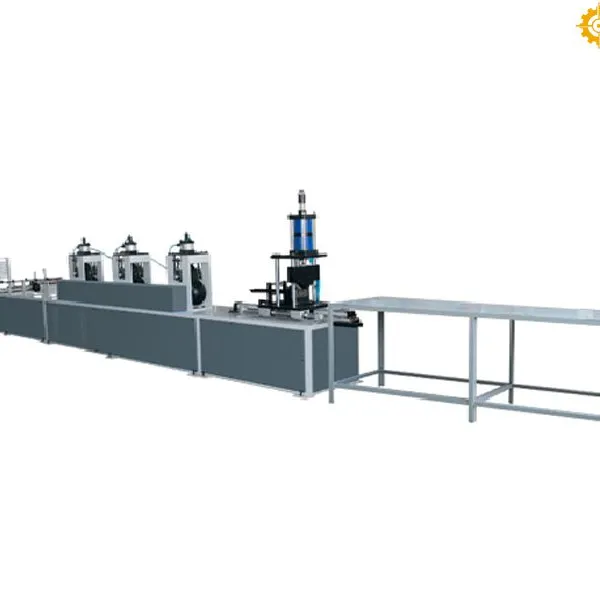 Read More
 -
Ink Waste Water Treatment Machine: Efficient, Energy-Saving & Eco-Friendly Solution for Printing Ind
July 28, 2026Printing, packaging, and flexo/gravure printing enterprises constantly face tricky environmental challenges, among which ink waste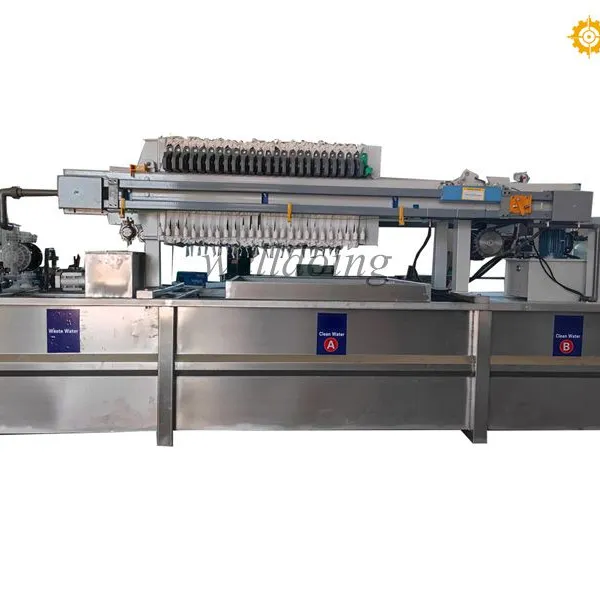 Read More
 -
A Complete Guide to Modern Hardboard Production Line & Its Core Advantages
July 27, 2026Hardboard, also known as high-density fiberboard, is a versatile, durable wood-based material widely used in furniture manufacturi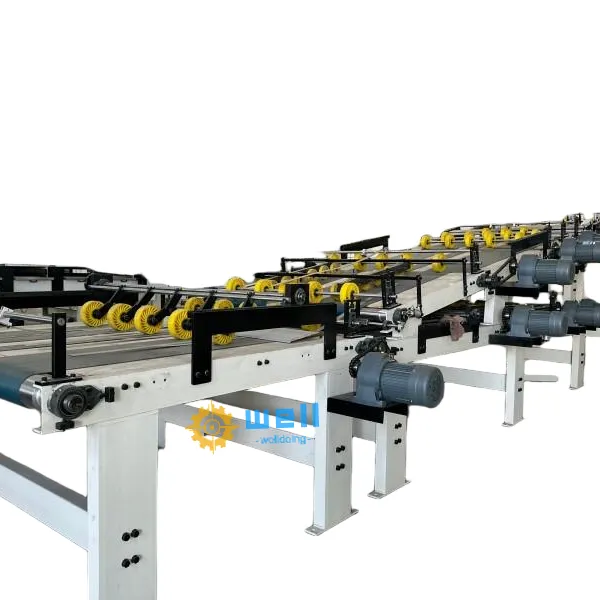 Read More

Contact Us
Recommended Products
-
 Semi Automatic Corrguated Carton Stitching MachineUS$ 10000 - 50000MOQ: 1 Set
 -
Semi Automatic Stitching Machine ManufacturerUS$ 15000 - 35000MOQ: 1 Set
-
Semi Automatic Stitching Machine Factory SupplierUS$ 15000 - 35000MOQ: 1 Set
-
Semi Automatic Stitch Machine - Stitcher EquipmentUS$ 20000 - 30000MOQ: 1 Set
-
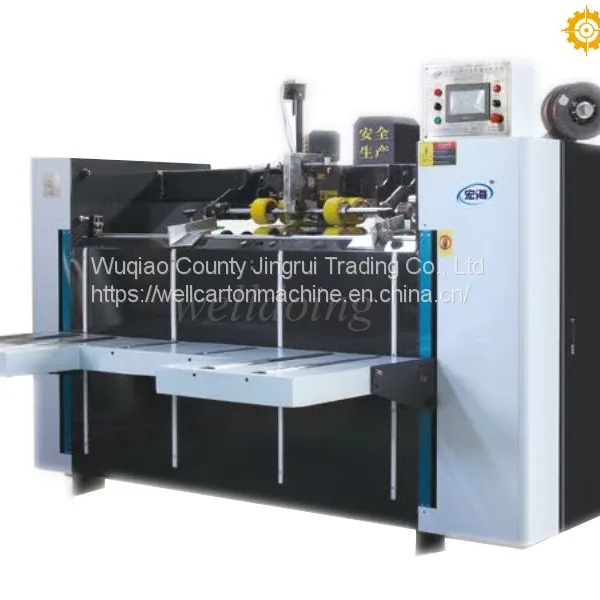
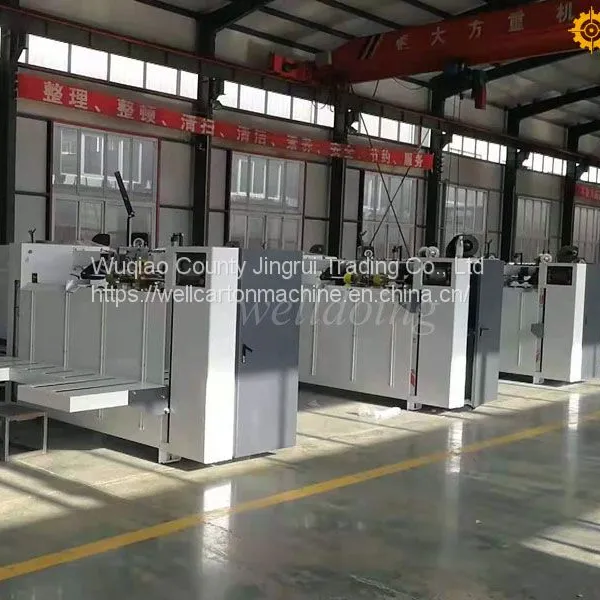
Semi Automatic Stitch Nailing Box EquipmentUS$ 15000 - 35000MOQ: 1 Set
-
Semi Automatic Stitch Box MachineryUS$ 15000 - 35000MOQ: 1 Set
-
Semi-automatic Nailing Stitcher MachineUS$ 20000 - 30000MOQ: 1 Set
-
Semi Auto Corrugated Box Stitching Machine SupplierUS$ 20000 - 30000MOQ: 1 Set
-
Semi-automatic Box Stitch Packing MachineUS$ 20000 - 30000MOQ: 1 Set
-
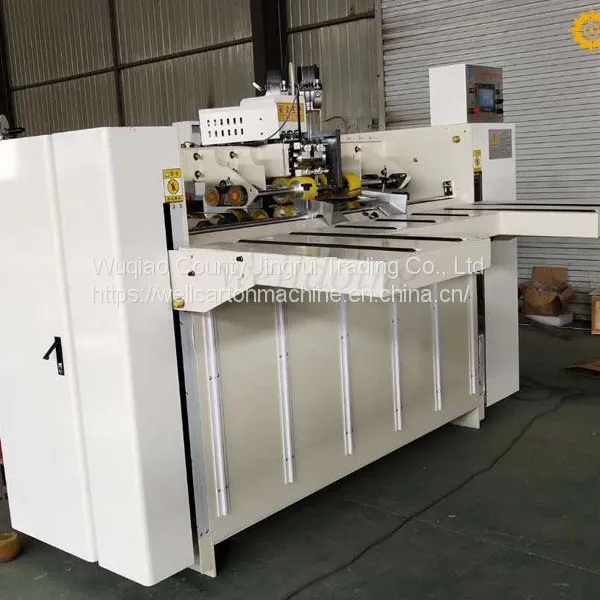
Semi Auto Stitching Carton Box EquipmentUS$ 20000 - 30000MOQ: 1 Set
-
Semi Automatic Stitching Machine SupplierUS$ 15000 - 35000MOQ: 1 Set
-
Semi-automatic Corrugated Box Nailing Stitcher Packaging MachineUS$ 20000 - 30000MOQ: 1 Set
-
Semi Automatic Packaging Box Stitch EquipmentUS$ 15000 - 35000MOQ: 1 Set
-
Semi Automatic Packaging Box Stitcher & Stitching MachineUS$ 15000 - 35000MOQ: 1 Set
-
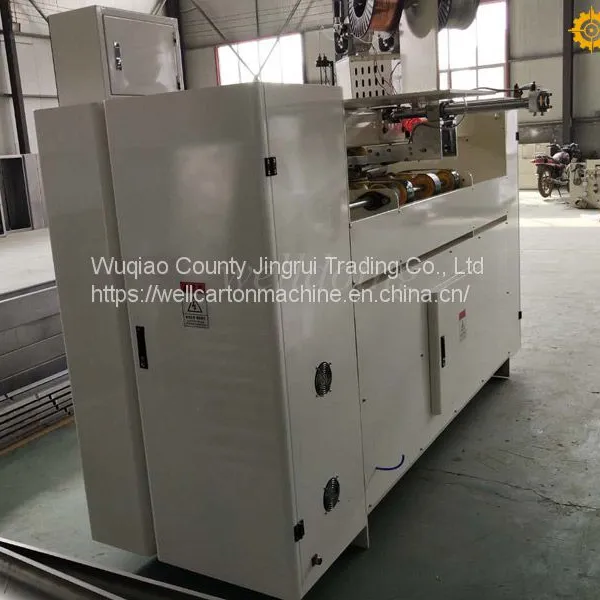
Semi Automatic Stitching MachineUS$ 15000 - 35000MOQ: 1 Set
-
Full Automatic Box Stitching MachineUS$ 25000 - 40000MOQ: 1 Set
-
Semi-automatic Corrugated Box Nail Stitcher MachineUS$ 20000 - 30000MOQ: 1 Set
-
Semi Automatic Packaging Box Stitching MachineUS$ 15000 - 35000MOQ: 1 Set
-
Semi-automatic Carton Box Nailing Stitcher Packaging MachineUS$ 20000 - 30000MOQ: 1 Set
-
Semi Automatic Packaging Box Nailing MachineUS$ 15000 - 35000MOQ: 1 Set